
Car Payment Too High? Options Before Repossession in Florida
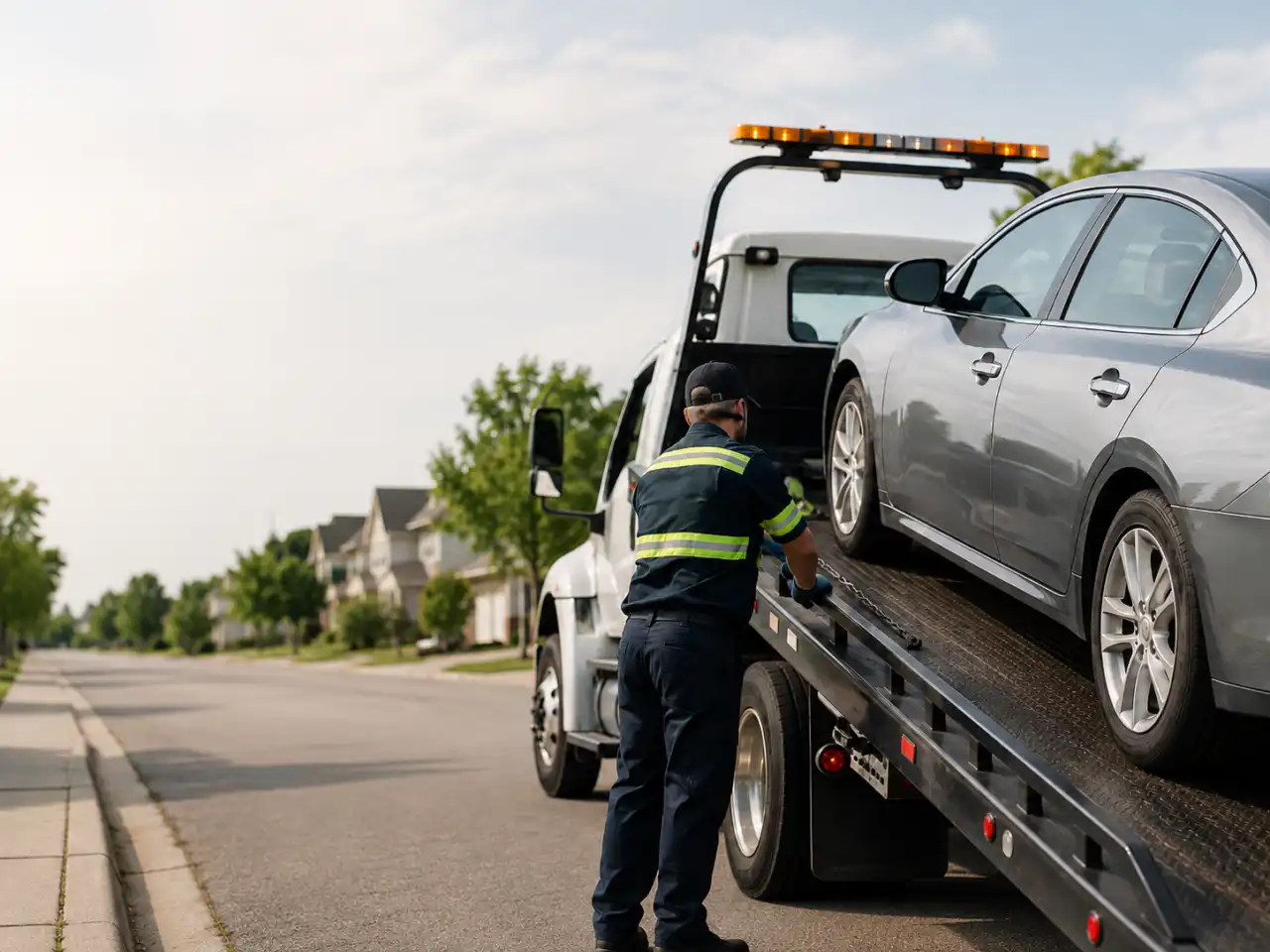
Car payments have become a major part of the household debt problem. Auto-loan balances reached approximately $1.71 trillion nationwide in the second quarter of 2026, according to the Federal Reserve Bank of New York, and new auto-loan delinquencies remain elevated.
For someone struggling with a $700, $900 or even $1,200 monthly vehicle payment, the question is usually not whether the national numbers are high. It is much more personal: I need my car, but this payment is destroying my budget. What can I actually do?
The answer depends on whether the vehicle is affordable, how much you owe, what the vehicle is worth, whether you are already behind, and what the rest of your financial picture looks like.
Start With the Most Important Question: Can You Actually Afford the Car?
Needing a vehicle does not necessarily mean you need this particular vehicle or this particular loan. If the payment forces you to fall behind on rent, mortgage, utilities, credit cards, taxes, or basic living expenses every month, the car may be part of the larger debt problem.
Before deciding what to do, identify four numbers: your monthly payment, the loan payoff, the current value of the vehicle, and how much you are behind. Those numbers tell you whether you have equity, negative equity, or a vehicle that simply costs too much each month.
What Does It Mean If You Are Upside Down on the Car?
If you owe more on the loan than the vehicle is worth, you have negative equity. For example, if the payoff is $35,000 and the vehicle is worth $20,000, you are approximately $15,000 upside down.
That does not automatically mean you should surrender the vehicle. It does mean you should understand how much money you are committing to an asset that is worth substantially less than the debt secured by it.
What Happens If the Car Is Repossessed?
Repossession does not necessarily erase the debt. After a vehicle is repossessed, the lender may sell it. If the sale proceeds are less than the balance owed, plus allowable costs and fees, the remaining amount can become a deficiency balance that the lender may attempt to collect.
That can surprise people. They lose the vehicle and may still be left with thousands of dollars in debt.
If you know you are going to miss a payment, contacting the lender early can sometimes reveal options such as a payment arrangement, due-date change, extension or other loss-mitigation option. Any agreement should be confirmed in writing.
Should You Voluntarily Surrender the Car?
A voluntary surrender may avoid some of the stress of an involuntary repossession, but it does not necessarily eliminate the financial consequences. The vehicle can still be sold and a deficiency balance may remain.
The decision should be based on the whole financial picture. If surrendering a $900 monthly payment allows you to stabilize your housing, utilities and other essential expenses, it may make sense. But you also need a realistic transportation plan.
What Can Bankruptcy Change?
Bankruptcy can change the analysis when an unaffordable car is only one part of a larger debt problem.
In Chapter 7, a debtor may decide to surrender a vehicle and address the remaining personal liability through the bankruptcy, subject to the facts of the case and applicable law. Someone who wants to keep the vehicle may have other choices that depend on the loan, equity, exemptions and ability to make payments.
Chapter 13 can provide additional tools for some vehicle loans. Depending on when the vehicle was purchased and the facts of the loan, the treatment of the secured claim, interest rate, arrears and unsecured portion can differ significantly. The so-called 910-day rule is particularly important for vehicles purchased for personal use.
This is why ‘Can bankruptcy lower my car payment?’ does not have a universal yes-or-no answer. The purchase date, vehicle value, payoff, interest rate and bankruptcy chapter all matter.
Do Not Look at the Car in Isolation
A common mistake is spending all of your available money trying to save the car while credit cards, personal loans, lawsuits, taxes or mortgage arrears continue to grow.
If the car is the only problem, a lender workout, refinance, sale or replacement vehicle may be the better solution. If the car is one piece of a much larger debt problem, bankruptcy may deserve a serious look.
The goal is not simply to keep the car. The goal is to create a monthly budget you can actually live with.
If your car payment has become unaffordable, you are behind on payments, or you are worried about repossession, Dream Legal can review the vehicle together with the rest of your debt and explain the options available to you. Call 954-574-2111 or visit DreamLegal.com.
FAQ
If my car is repossessed, do I still owe money?
Possibly. If the lender sells the vehicle for less than the loan balance and allowable costs, a deficiency balance may remain.
Can bankruptcy stop a repossession?
A bankruptcy filing generally creates an automatic stay, but timing and exceptions matter. If repossession is imminent, legal advice should be obtained immediately.
Can Chapter 13 reduce what I owe on a car?
Sometimes, depending on the vehicle’s value, when it was purchased, the loan terms and the 910-day rule.
Can I keep my car in Chapter 7?
Often, but the answer depends on equity, exemptions, the loan status and whether the debtor can continue making required payments.